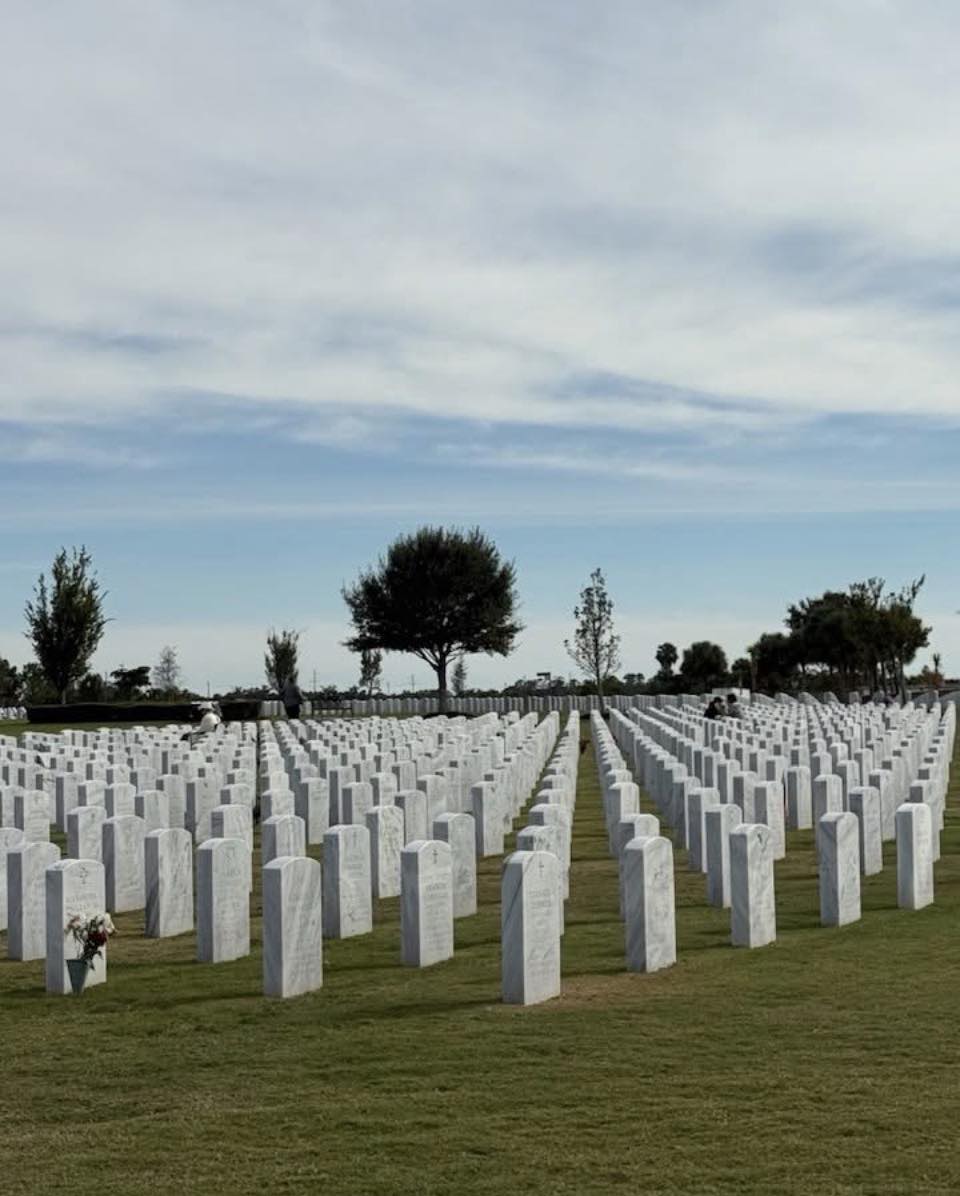

Today I want to talk about something God has laid on my heart. Honoring the men and women of our military who have died in service to this country since 09/11/2001.
7,073. According to the Department of Defense (DOD) database, that's the number of U.S. military personnel who have died since the attacks on the twin towers on 09/11/2001. What a sacrifice this nation has made. I don't want to get into any politics surrounding any U.S. military action. These soldiers did not make the decisions that put them in harm's way. No, they simply and honorably upheld their promise to our nation, to us. Their promise to defend this nation from threats both foreign and domestic. This means they paid the ultimate price for you and me. That is a debt we could never repay, but we can honor them.
How do we go about honoring them? I believe we first must get some understanding of what they went through, both the physical and mental aspects. When thinking about this, I wanted to see what God's word had to say about what men and women go through after battle. Immediately I was drawn to King David in Scripture. Not only was he a great warrior, but he was very open and raw when calling out to God about the rigors of war. The Psalms have recorded much of this interaction between King David and God.
Psalm 77 is a good example of King David calling out to the Lord for comfort from his torments of past wars. I definitely suggest reading the whole chapter — it's only 20 verses. But here are some verses that highlight David's torment. Psalm 77:2–4: "In the day of my trouble I seek the Lord; in the night my hand is stretched out without wearying; my soul refuses to be comforted. When I remember God, I moan; when I meditate, my spirit faints. Selah. You hold my eyelids open; I am so troubled that I cannot speak."
Another Psalm that displays the distress King David was under from war is Psalm 31:9–10: "Be gracious to me, O Lord, for I am in distress; my eye is wasted from grief; my soul and my body also. For my life is spent with sorrow, and my years with sighing; my strength fails because of my iniquity, and my bones waste away."
These two examples clearly show that King David suffered from PTSD from war and how he called out to God for help and relief. To go through something that would bother him for years afterward demonstrates how devastating and traumatic war is.
But King David lived. He did not die. The men and women we are talking about honoring not only went through the nightmare of war but ended up paying the ultimate price — their life. They did this for you and me. It doesn't matter what their personal reasons for joining the military were or what the war was about. In the end, their service, sacrifice, and death was for us.
We can't repay that debt in full, but we can honor them. And that starts by trying to understand what they went through.
As a veteran myself, I think I can speak for them in saying that if they could tell you how to honor them, they would say, "Take care of the living veteran and active-duty military. Let them know you appreciate them and do it with more than lip service. Do it with actions too. If they are hurting, do what you can to help them. If that means they need mental help, make sure they have access to it. If they need help with physical activities, work, or recreation, make sure they have access to whatever they need to do it."
Yes, we should remember our fallen heroes. But honor them by helping the ones who made it back.